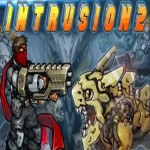


Players are dispatched to a city overtaken by dangerous beasts in Decision 2, with a focus on mission completion, reconnaissance, and zone recovery.
In Decision 2, reconnaissance is an essential task.
Instead of rushing to complete every goal right away, players can start by exploring the region to become acquainted with the map and find interesting spots.
This design decision makes sense because it encourages players to look around before acting.
Knowing where you are and what's ahead is often just as crucial to completing a task in a game with a map and multiple objectives.
Regaining authority over the city's districts is one of Decision 2's main objectives.
City exploration, territorial capture, and mission fulfillment are frequently highlighted as essential gameplay components in game descriptions.
This creates a palpable sense of advancement.
Players can see the terrain visibly change in response to their achievements rather than just watching a score bar climb.
The game offers a unique combination of these two components; hence the answer is both.
During missions, direct interaction is fueled by the action component.
When players choose how to prioritize upgrades or side activities, manage resources, and develop places, the strategic component comes into play. Decision 2 is more complex than a simple arcade game because of this mix.
Includes 2 modes:
Mouse usage
Keyboard usage